Inside Firmus’ Project Southgate: How digital technology is changing the way we build
9 November, 2026From drone-enabled construction monitoring to real-time quality management, Hansen Yuncken’s Firmus AI Factory in Tasmania is demonstrating how digital technologies are reshaping construction delivery – and the role of the people behind it.
On a construction site in Launceston, Tasmania, digital technology is becoming as integral to project delivery as the traditional tools of the trade.
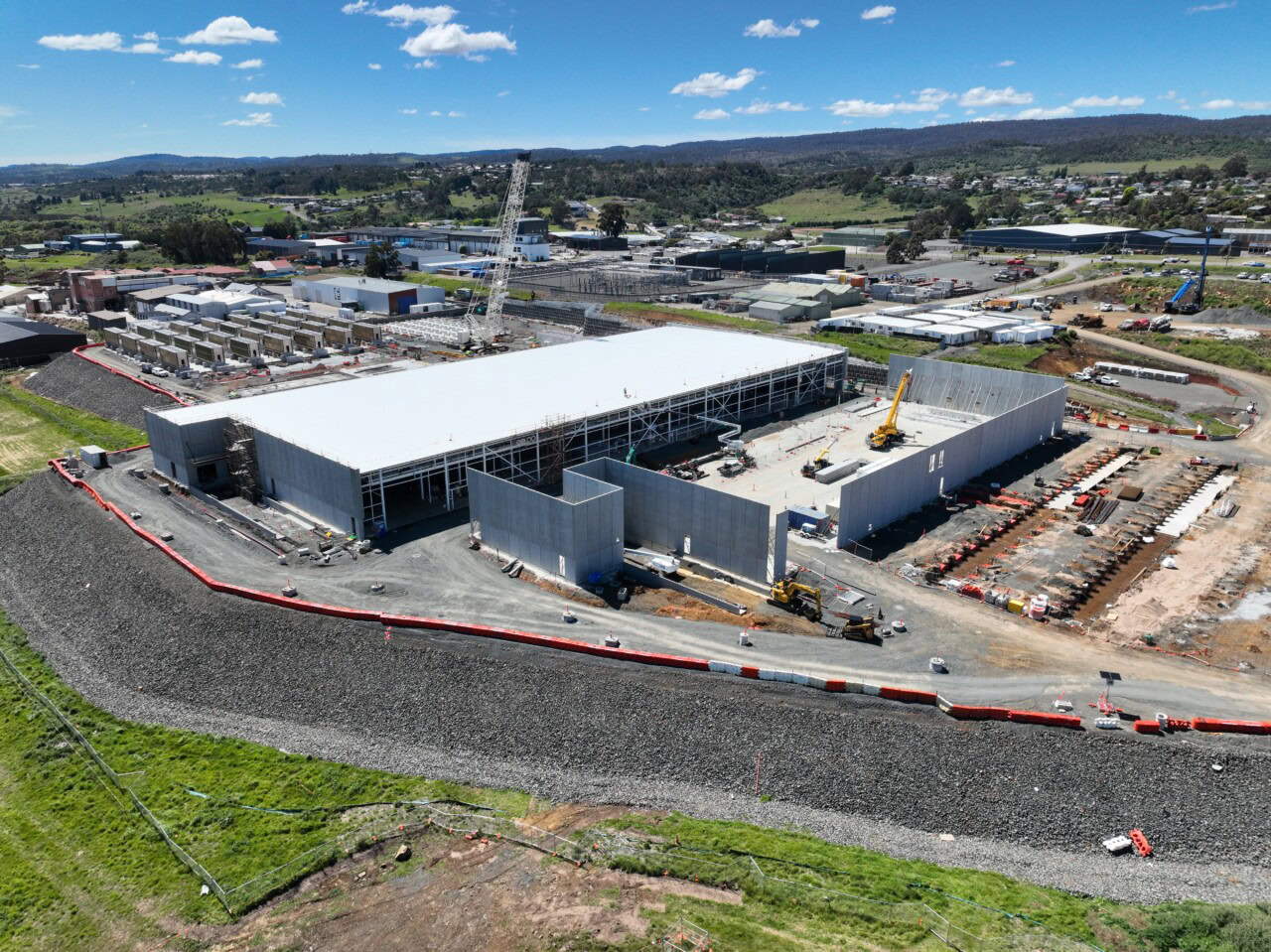
The AI Factory forms part of ‘Project Southgate’, currently in delivery for tech giant Firmus Technologies, where the project team is putting a growing suite of digital platforms to work, finding new ways to coordinate construction activities, improve safety, manage quality and make more informed decisions on site.
The approach reflects a broader shift across the construction industry, where the integration of digital models, real-time information and connected systems is creating opportunities to improve productivity, reduce risk and deliver greater certainty for clients.
Members of the Hansen Yuncken leadership team recently visited the project to see these applications firsthand. What followed was a series of practical demonstrations led by the people using the technology every day, offering insight into both its capabilities and the opportunities for further improvement.
Bringing the Digital and Physical Worlds Together
Among the most compelling demonstrations was the project’s use of drone technology to connect digital building models with actual site conditions.
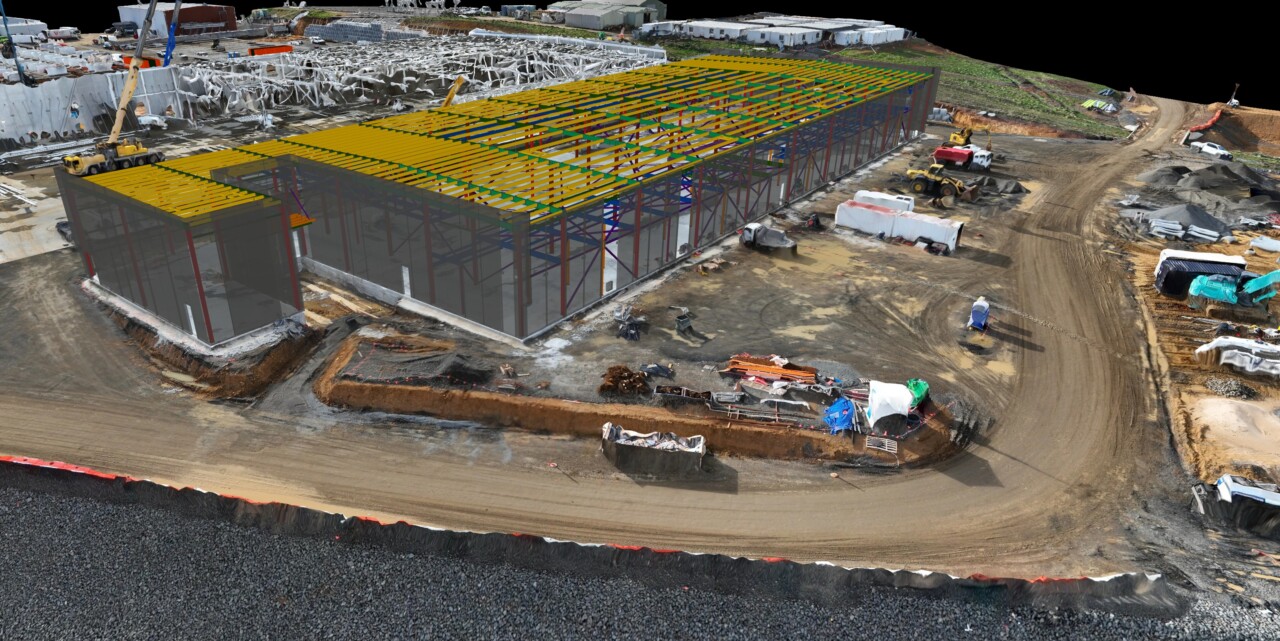
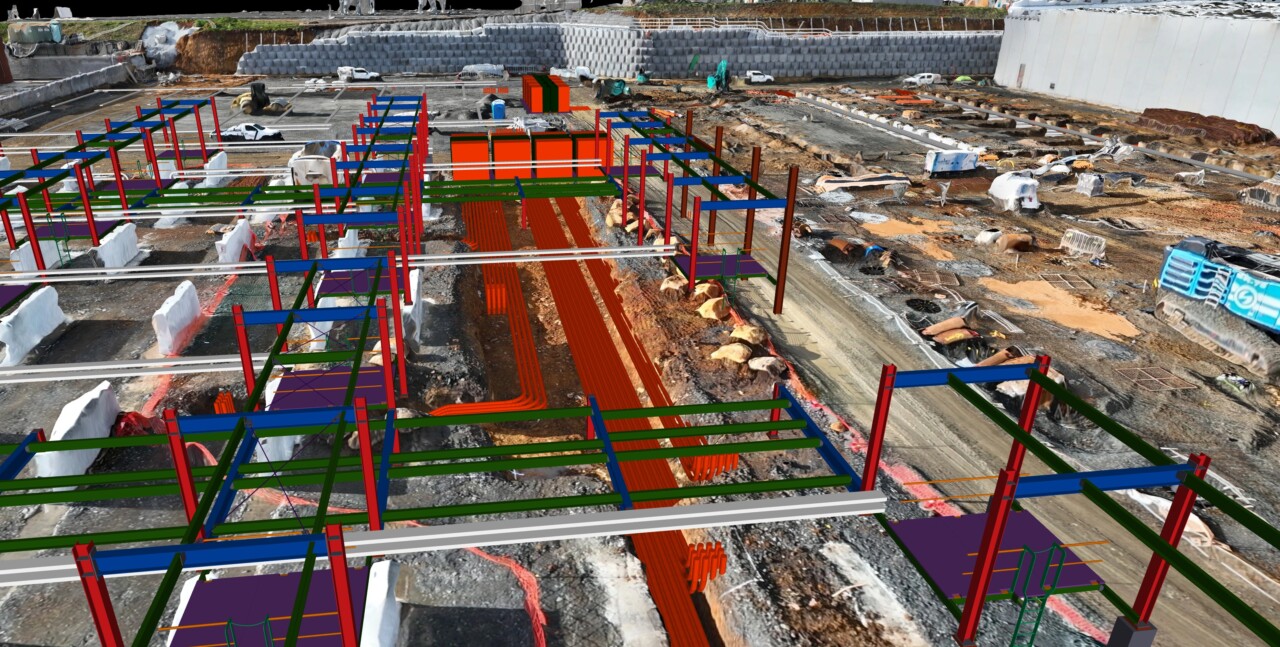
Using DroneDeploy, the team is capturing aerial imagery and overlaying it with coordinated digital models to assess the positioning of installed services, slabs and structural components against their intended design.
The applications extend beyond visual progress tracking. Drone imagery and model overlays are also being used to support progress claim assessments, coordinate construction activities and develop live site mark-ups identifying exclusion zones, pedestrian walkways and traffic management arrangements.
For the project team, these tools provide a more comprehensive picture of what’s happening on site, helping identify potential discrepancies earlier and allowing issues to be addressed before they affect subsequent works.
The visit also showcased how another platform is being utilised for quality assurance, defect management, field documentation and BIM coordination, while safety platforms are supporting site inductions and safety processes. A demonstration of procurement technology highlighted the role of digital procurement in improving visibility and consistency across project purchasing activities.
Together, the technologies are helping connect information that has traditionally been managed across separate processes, supporting better coordination between project disciplines and more timely decision-making.
Beyond the Technology
While the platforms themselves offer considerable capability, their value ultimately depends on how effectively they’re applied.
For Hansen Yuncken, the focus is increasingly on embedding digital technology throughout the project lifecycle, from early planning and design through to procurement, construction and handover.
“Technology is changing the way construction projects are delivered, but the real opportunity lies in how we use it to improve outcomes. Greater visibility, more connected information and stronger collaboration all contribute to better decision-making, reduced risk and greater certainty for our clients. That’s where we see the value of continued investment in our digital capabilities.”
Rexine Jones, Chief Financial & Information Officer
The visit also reinforced the importance of bringing project teams into conversations about how technology is developed, implemented and refined.
Rather than simply showcasing what the platforms could do, team members shared their experiences of using them in a live construction environment, including challenges, limitations and opportunities to improve existing processes.
For Daniel Smith, this willingness to experiment and share knowledge is an important part of building digital capability across the business.
“Some of the most valuable innovations come from our project teams finding new applications for the technology already available to them. At Project Southgate, we’re seeing digital models, drone imagery and site information being brought together in ways that support real construction decisions. Sharing those experiences across our projects is how we continue to improve and build capability nationally.”
Daniel Smith, National Digital Technologies & Strategic Development Manager
A New Generation of Construction Professionals
The growing influence of technology is also changing the skills and opportunities available to those building careers in construction.
Digital coordination, data analysis, reality capture and technology-enabled project management are becoming increasingly relevant to roles that have traditionally focused on physical construction delivery.
At Project Southgate, the involvement of the site’s engineering and project teams in developing practical applications for these platforms offers a glimpse into that changing environment.
Their work highlights how the next generation of construction professionals can help shape the industry’s future, combining traditional construction knowledge with digital capability, problem-solving and a willingness to challenge established practices.
For Hansen Yuncken, investing in technology goes hand in hand with investing in people. Creating opportunities for employees to explore new tools, share ideas and develop their capabilities is an important part of ensuring innovation translates into meaningful improvements on site.
The lessons emerging from Project Southgate will also help inform how technology is adopted and optimised across other Hansen Yuncken projects nationally.
As the construction industry continues its digital transformation, projects such as this demonstrate that progress isn’t measured simply by the number of platforms introduced, but by how effectively they’re used.
And increasingly, it’s the people on the ground who are finding new ways to make that technology work.