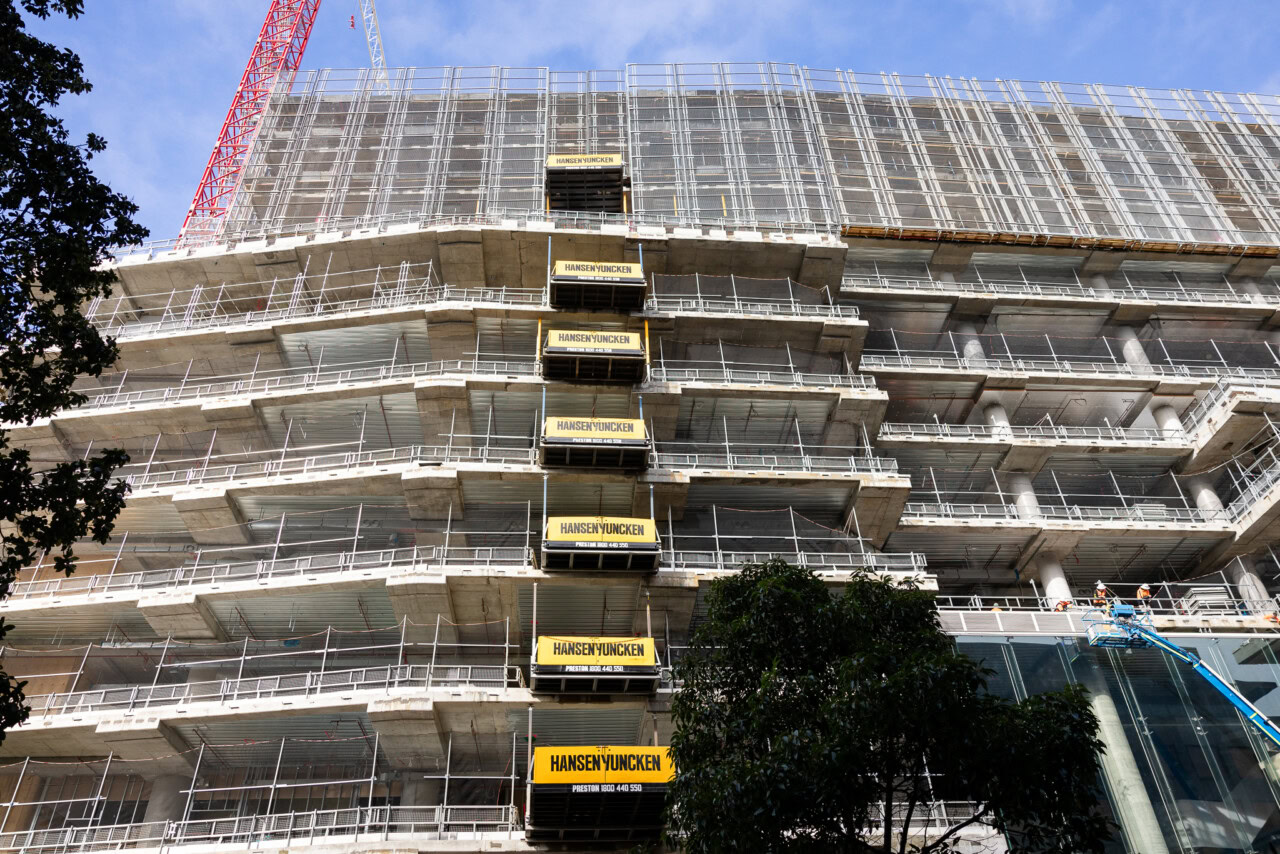
Gosford Central Earns First 6 Star Green Star Rating On NSW’s Central Coast
24 November, 2026The University of Newcastle’s Gosford Central has achieved the Green Building Council of Australia’s highest rating. With Gosford Central and the UNSW Health Translation Hub in Randwick, Hansen Yuncken has delivered two of the first three buildings in NSW to achieve 6 Stars under the Green Star Buildings rating tool.
For the University of Newcastle and Hansen Yuncken, Gosford Central continues a partnership that delivered the Q Building at Honeysuckle, the first building in regional NSW to earn a 6 Star Green Star rating under the earlier Design & As Built tool.
The University wanted more people on the Central Coast to have the opportunity to study close to home. To see students learning at Gosford Central today, and to know the care that went into building it, is a source of real pride for our Regional NSW team. I’d like to thank the University, our project team, our consultants and our trade partners for their part in that.
George Bardas, Chief Executive Officer of Hansen Yuncken
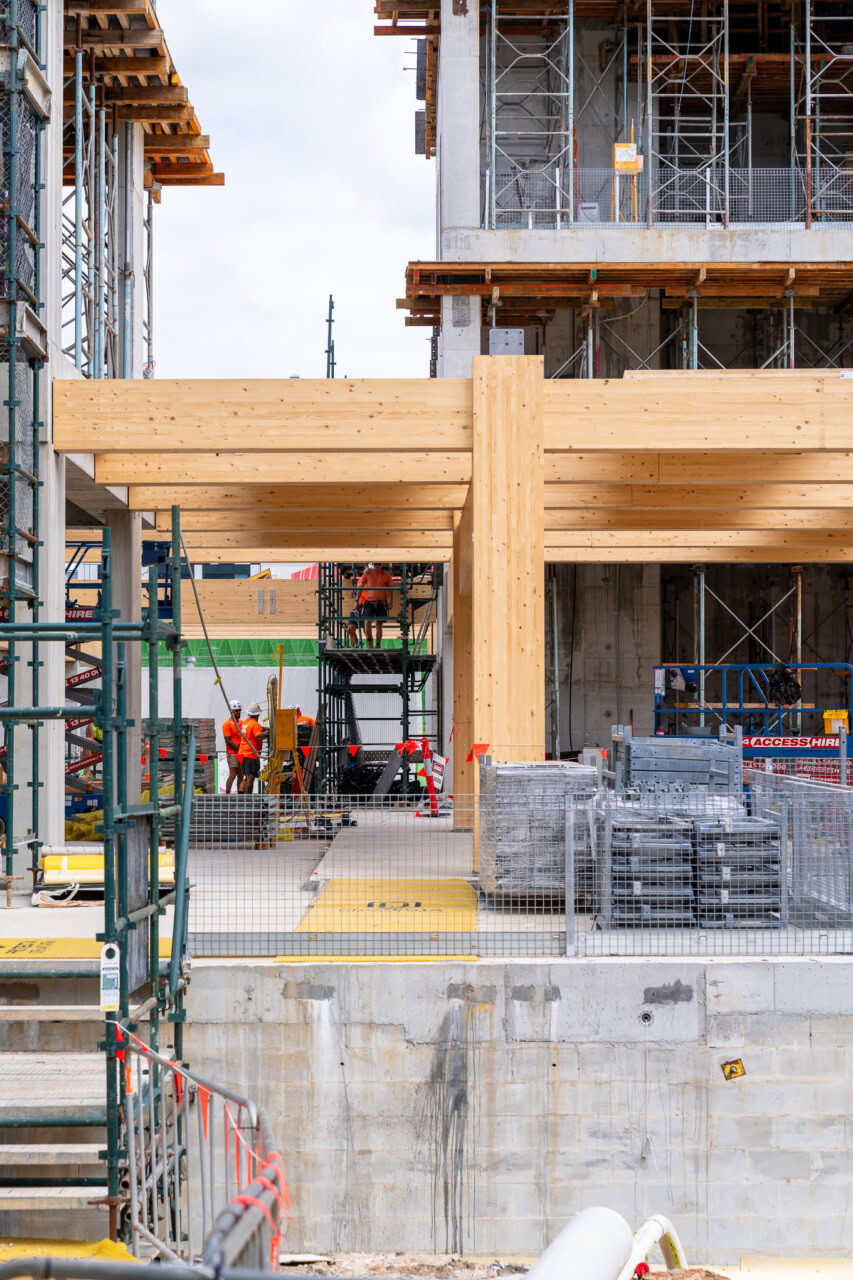
How Gosford Central reduced its footprint
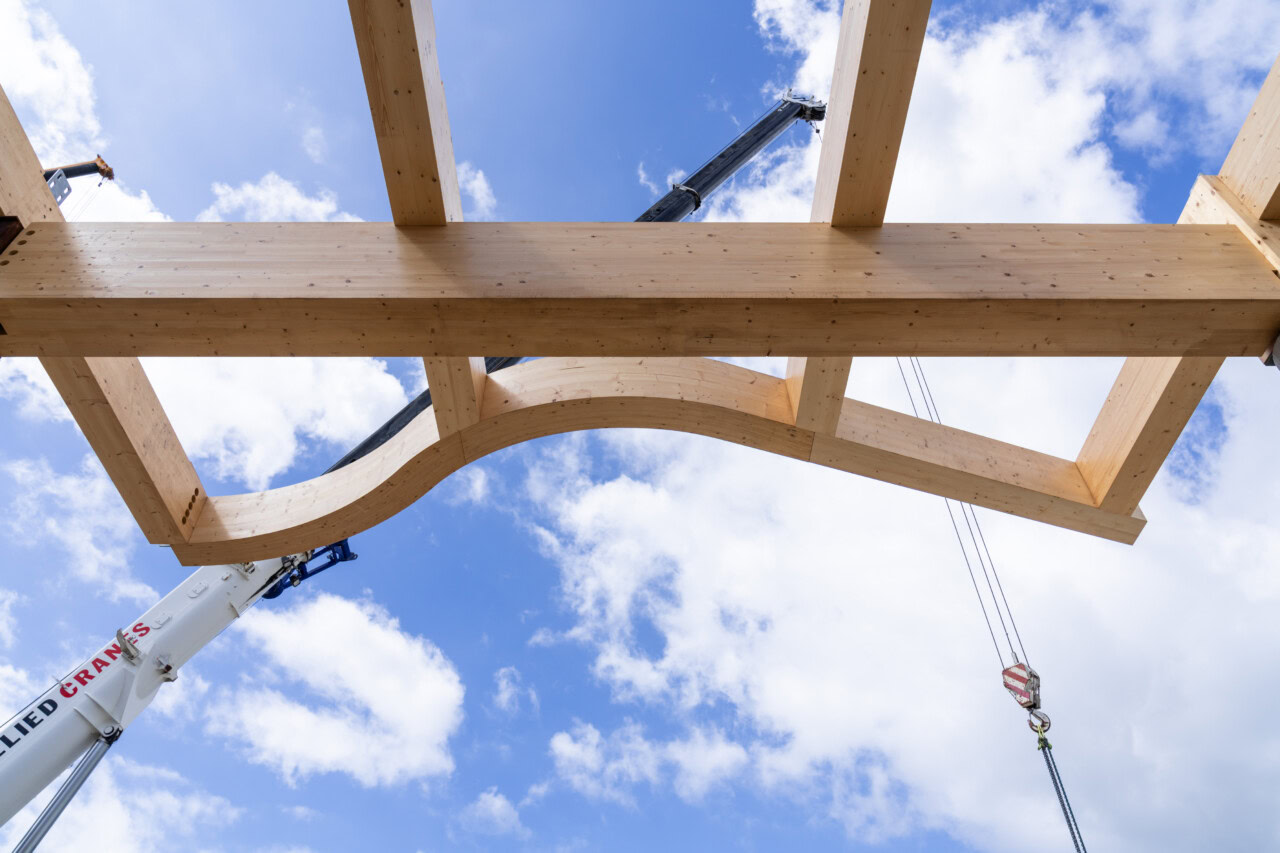
The team used cross-laminated timber and glued laminated timber around two concrete cores. Choosing mass timber and lower-carbon concrete helped cut emissions from construction, while separating and recycling materials on site diverted 95 per cent of construction waste from landfill.
The campus runs entirely on renewable electricity. Its 105 rooftop solar panels work alongside a 240 kWh battery that reduces demand on the grid at peak times. A 48,000-litre rainwater system supplies the toilets and cooling towers, saving drinking water for other uses.
Green Building Council Australia CEO Davina Rooney said the Gosford Central building shows how universities can reduce their environmental impact while creating healthier, more comfortable places to learn and work.
“Achieving 6 Star Green Star Buildings certification is a significant achievement for the University of Newcastle and sets a strong benchmark for education facilities on the Central Coast,” Ms Rooney said.
“What’s particularly impressive is the focus on reducing emissions from the outset, with innovative mass timber construction and lower-carbon materials helping to cut upfront carbon significantly. Combined with renewable energy, water efficiency and spaces designed around the needs of students and staff, it’s a great example of what can be achieved when sustainability is considered from the start.”
Daylight and fresh air at the UNSW Health Translation Hub
In August, the UNSW Health Translation Hub became the first building in NSW to achieve 6 Stars under the Green Star Buildings tool. Developed by Plenary in partnership with UNSW, the fully electric building brings students, clinicians and researchers together in the Randwick Health & Innovation Precinct.
The Hub’s façade reduces incoming solar radiation by around 60 per cent while preserving daylight and views. Inside, the ventilation system draws all its supply air from outdoors. Together with low-emission materials, this supports air quality in the spaces where people study, work and see patients.
Building our national capability in sustainability means a team in one state can draw on what colleagues have learned in another. At Gosford Central, our team used mass timber to reduce upfront carbon. At The Forest in Hobart, we worked with the University of Tasmania to retain much of the former Forestry Building and adapt it for students. When a client asks what can be reused or where timber makes sense, our people can bring first-hand experience to that conversation.
Matt Cadle, Chair of Hansen Yuncken’s Sustainability Business Function Workgroup