South Australian Sports Institute
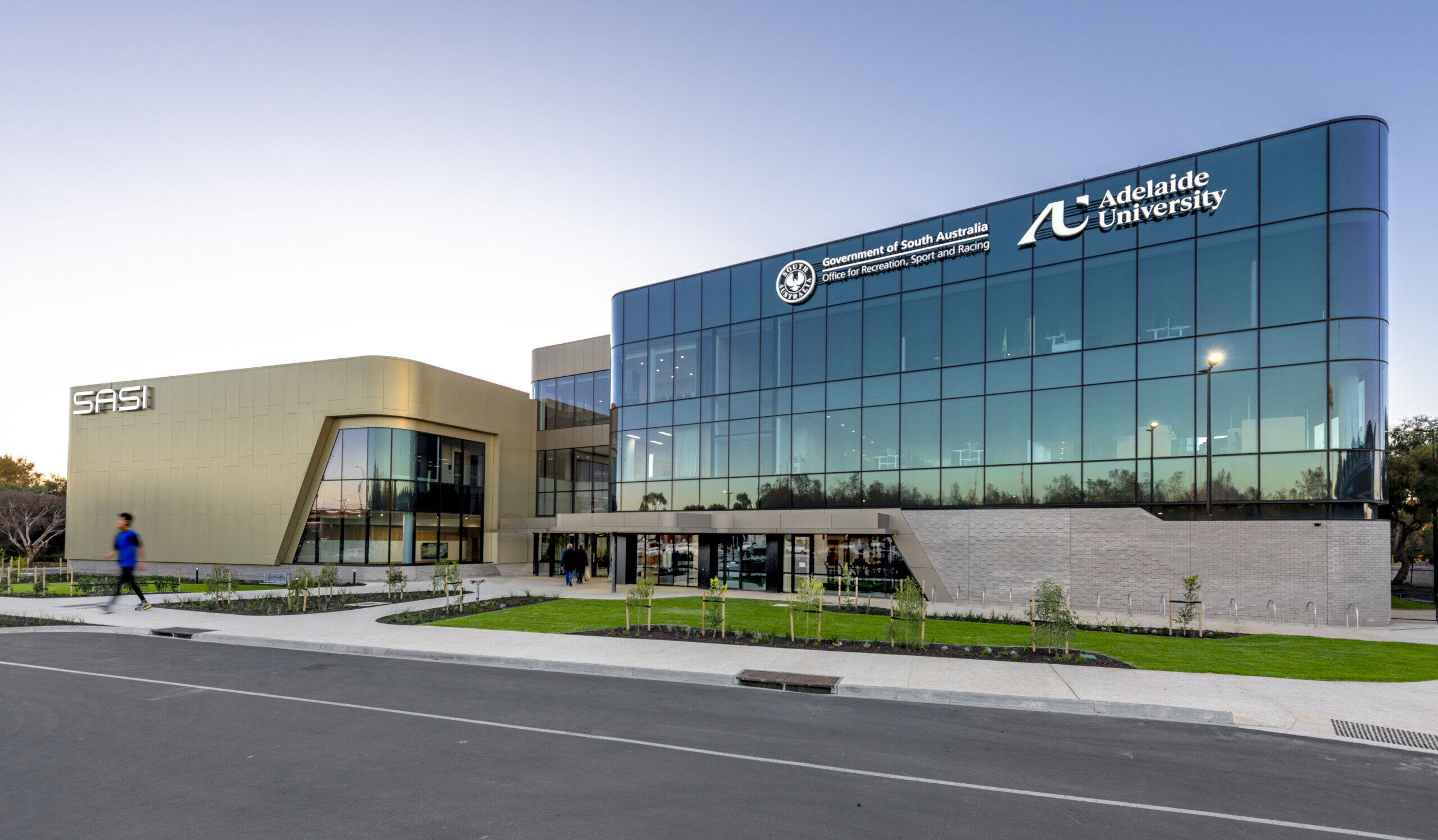
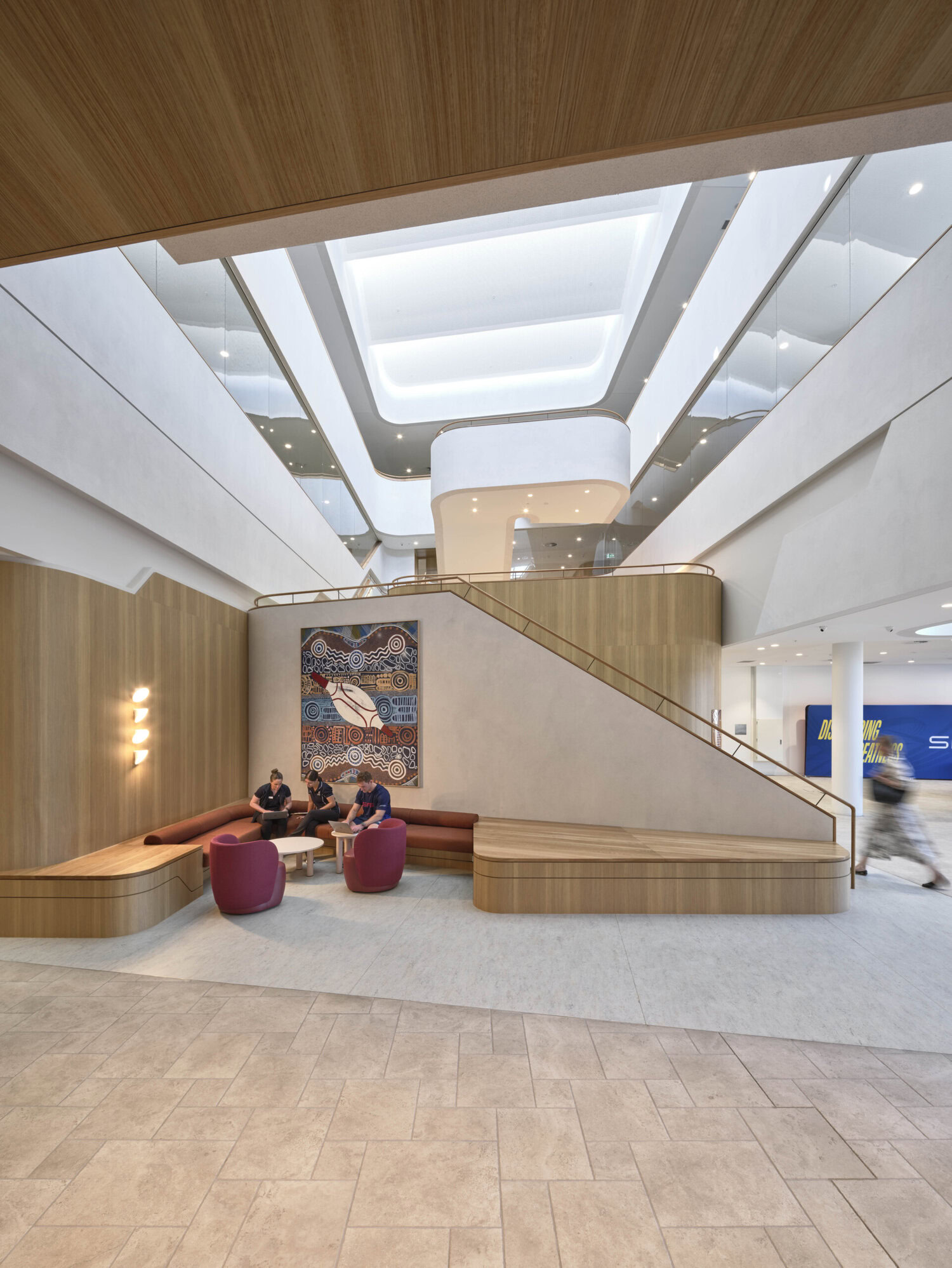
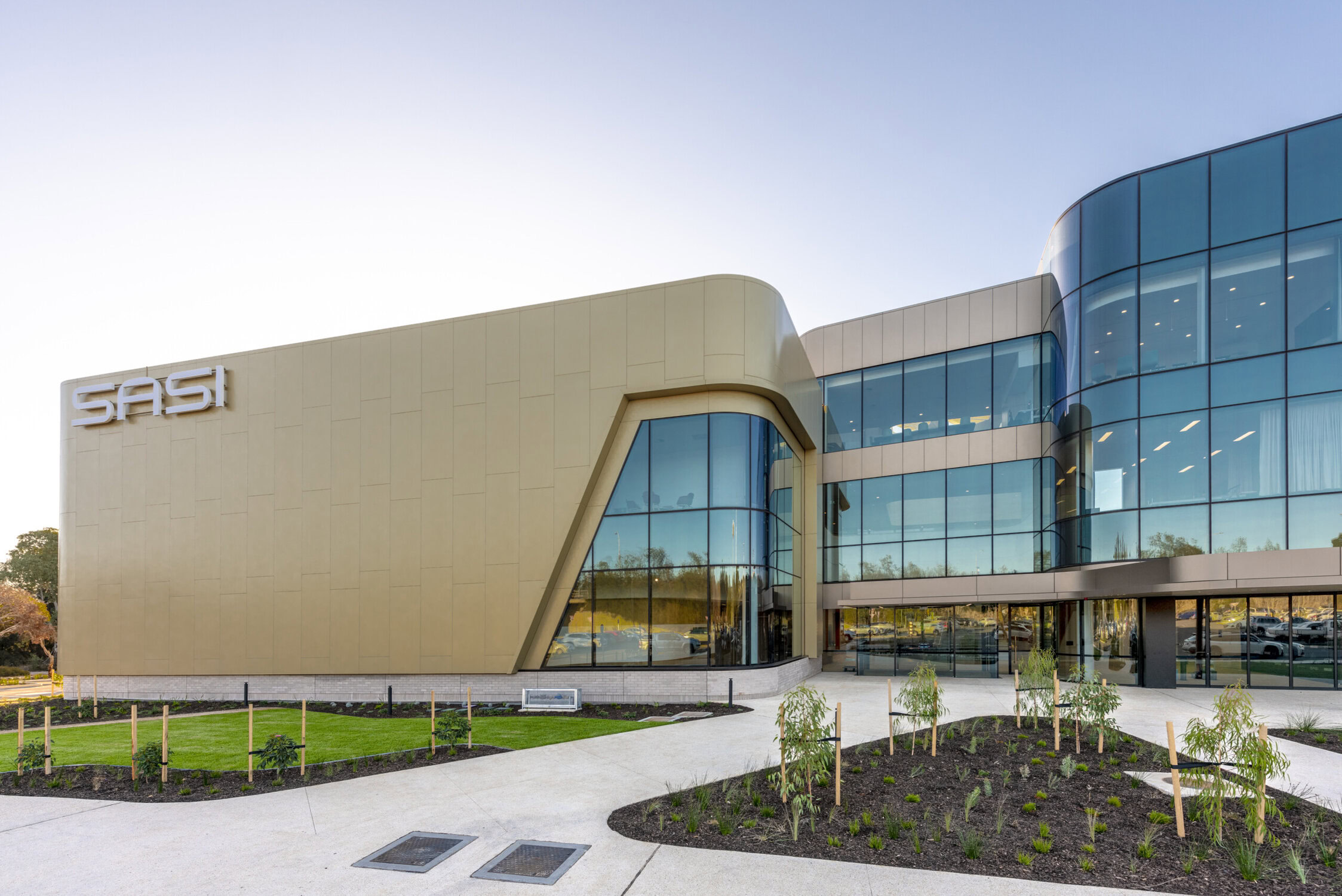
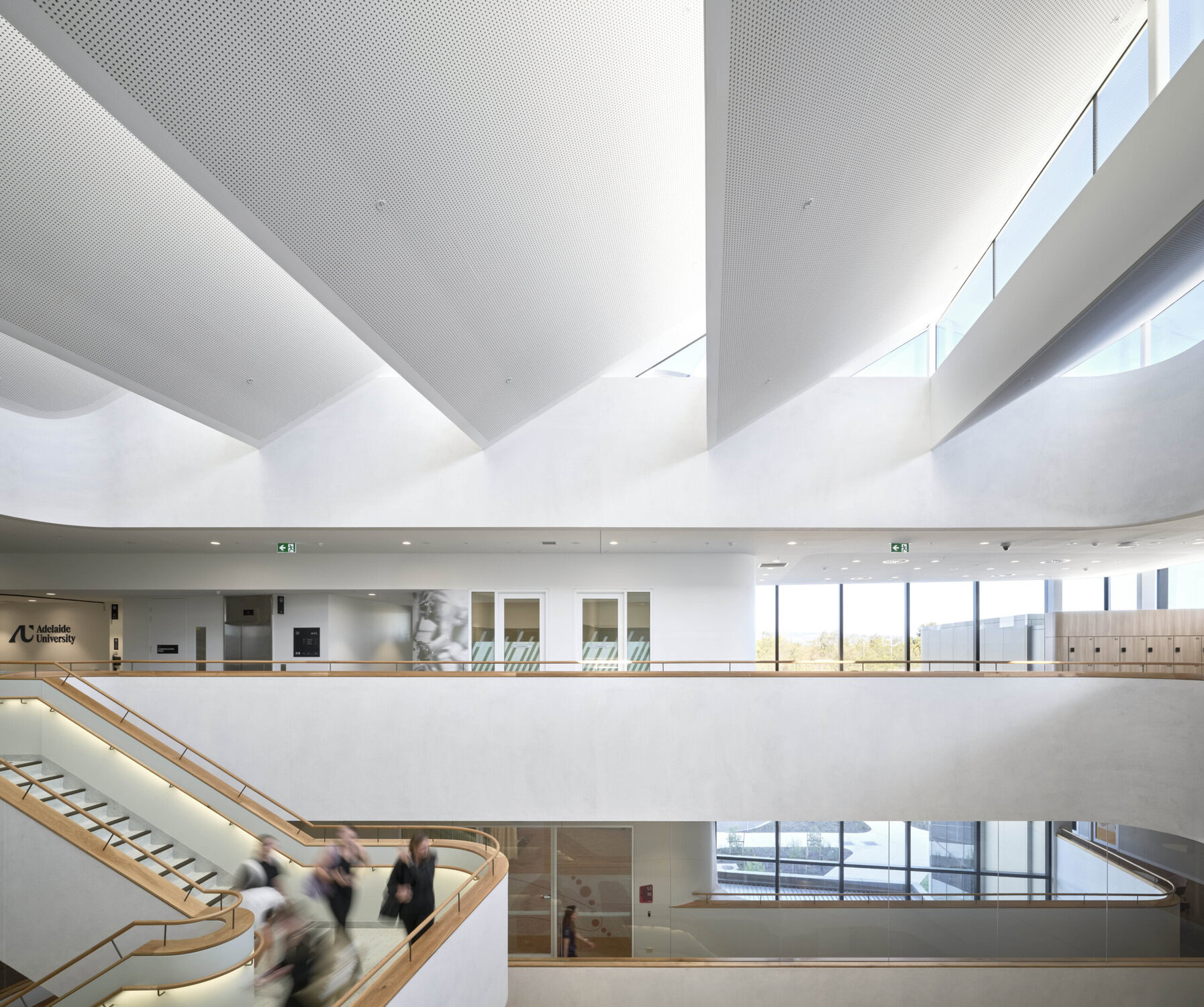
The South Australian Sports Institute (SASI) at Mile End provides new headquarters for SASI and the Office of Recreation Sport and Racing (ORSR). The facility has been strategically located adjacent existing athletics and netball stadiums creating a world class high-performance hub for sport. It provides South Australia with state-of-the-art training facilities and leading-edge integrated technologies. A significant aspect of the project has been the partnership with Adelaide University, who invested $20 million to establish the Adelaide University Sports Science Hub on the facility’s second floor. This hub features high-performance sports science laboratories and teaching spaces, bridging the gap between academic research and practical application for students undertaking a range of undergraduate and postgraduate degrees.
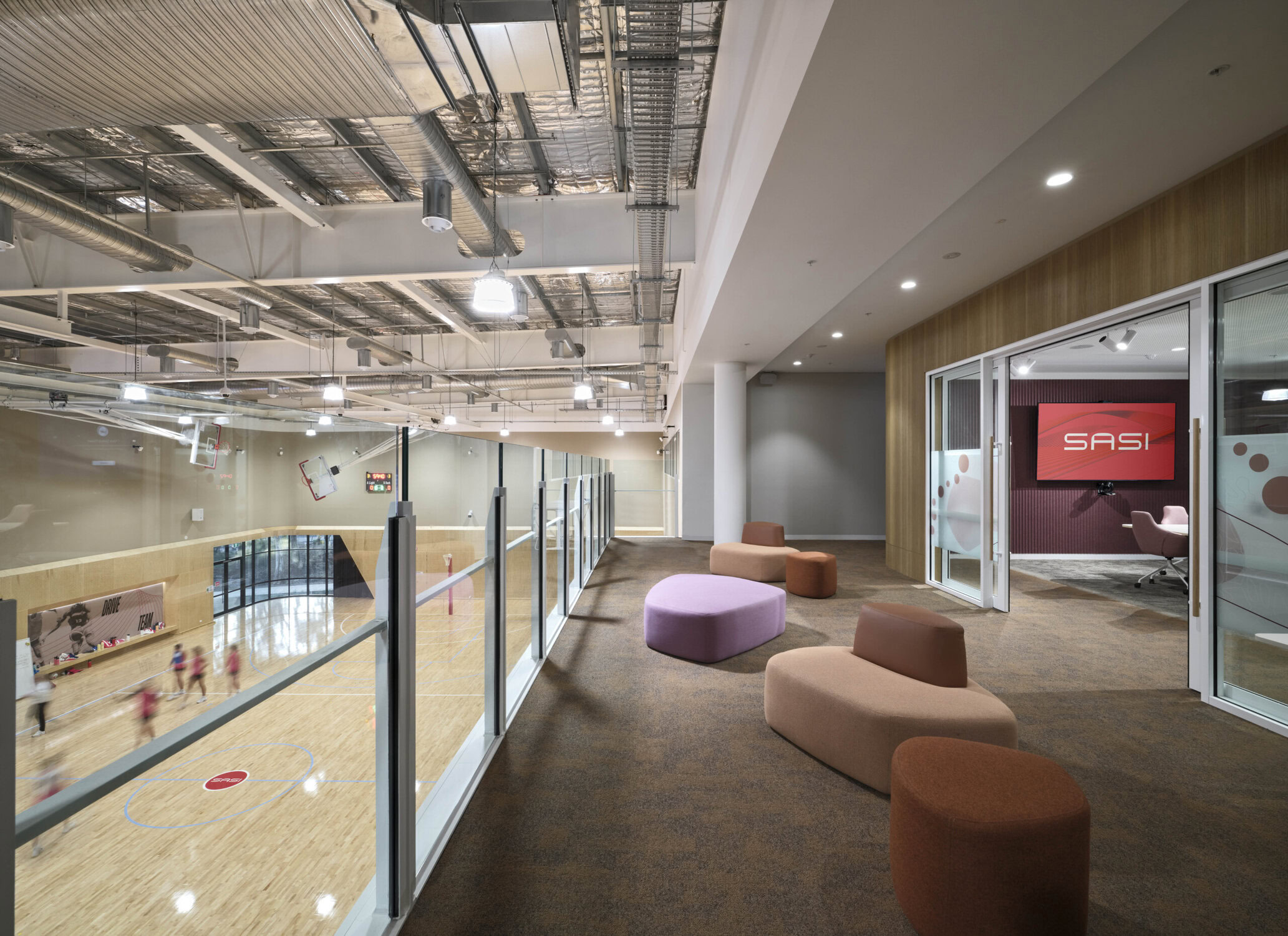
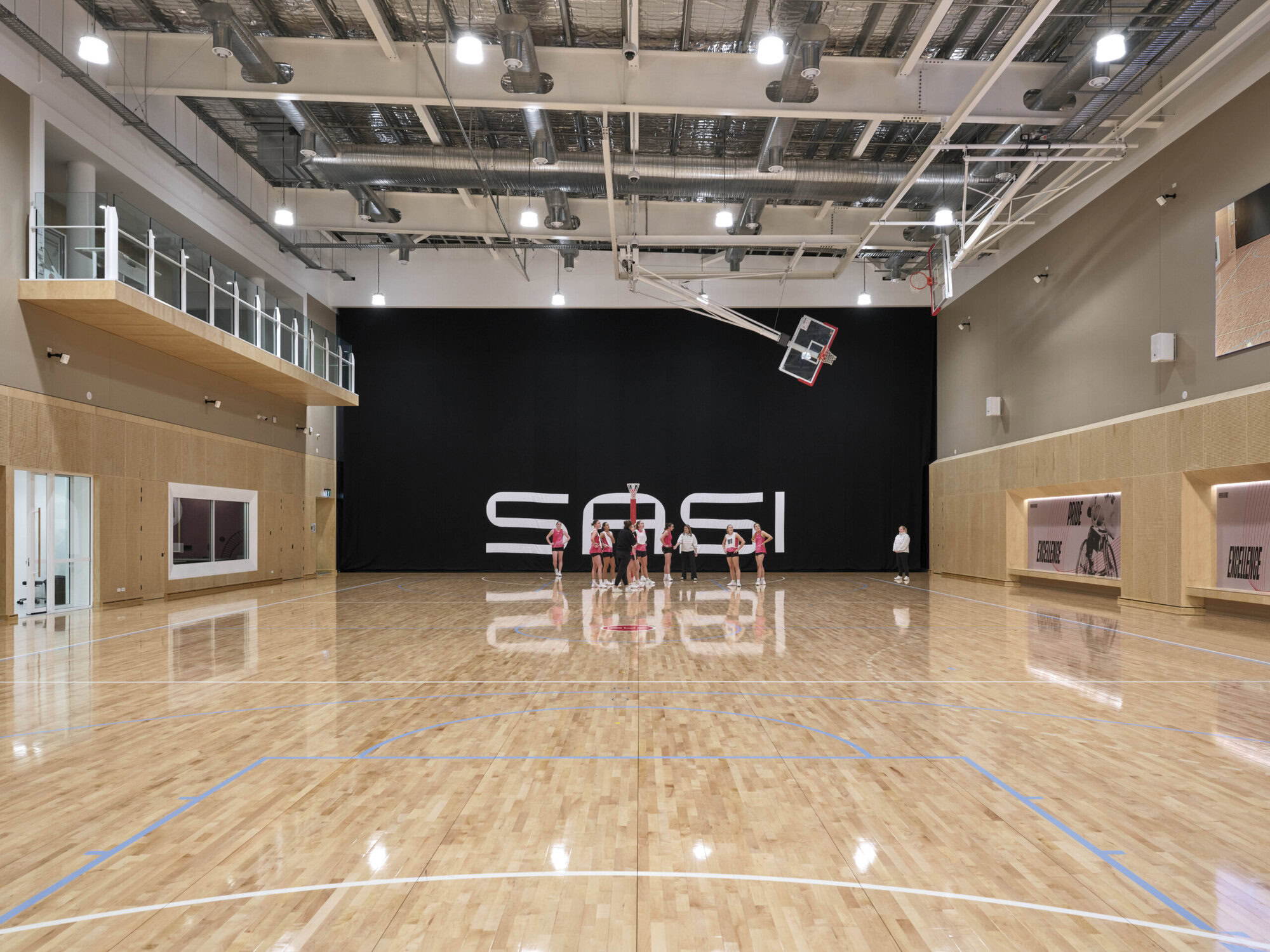
Specially designed FIBA Level 1 Certified indoor court
Two environmental chambers
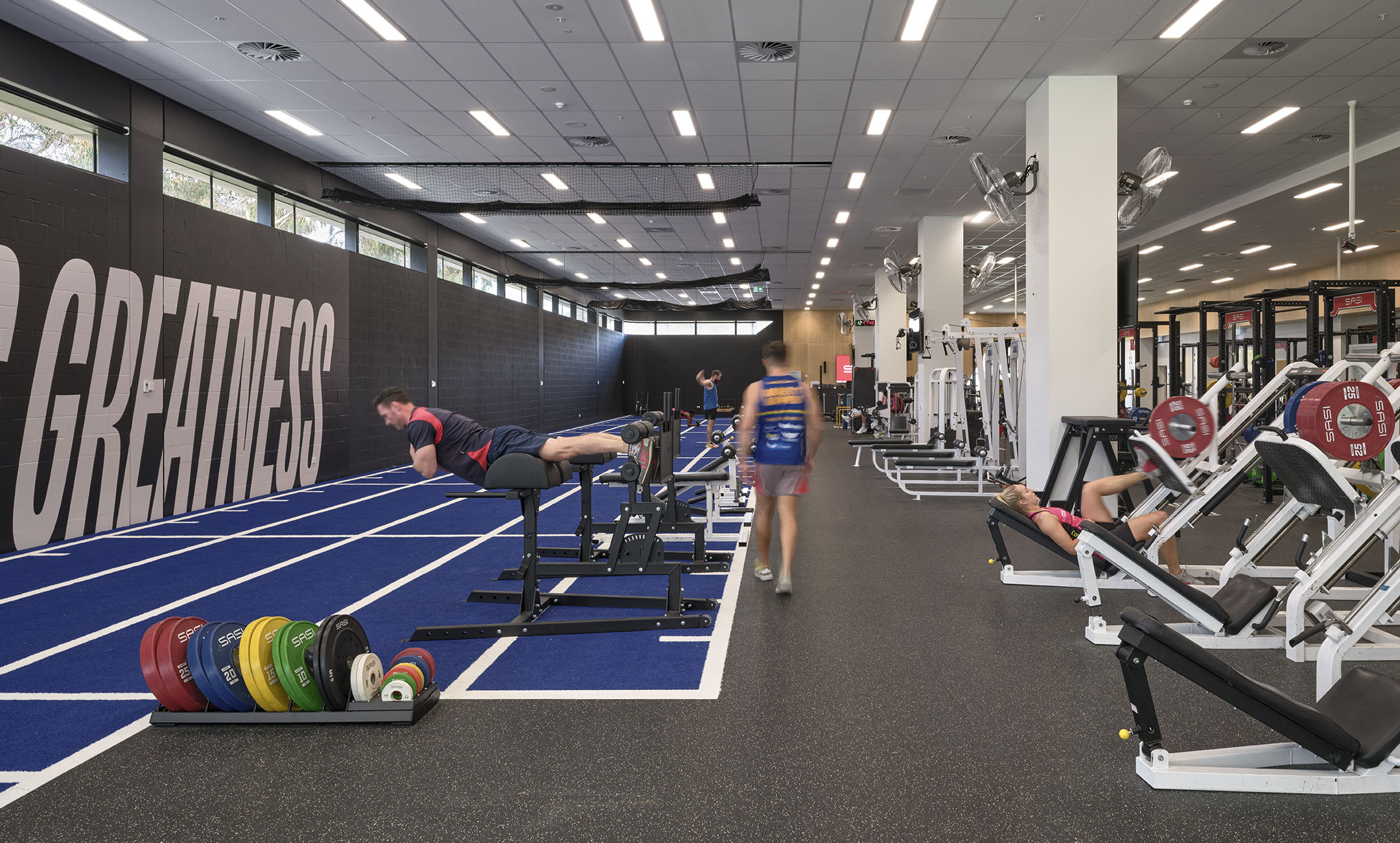
1,300m2 strength and conditioning gym
Hot and cold recovery pools
Hansen Yuncken was engaged as the Managing Contractor in February 2023, undertaking preconstruction services prior to siteworks commencing in 2024 with demolition of the existing carpark, followed by earthworks and piling. Due to the site’s reactive soil conditions, the building was supported on 143 piles, with an additional 26 piles specifically for the two recovery pools.
The project’s main atrium, known as the ‘Central Heart,’ features a striking cantilevered, warping steel staircase located underneath sawtooth skylights that provide an abundance of natural light.
A key functional requirement for both Adelaide University and SASI was the inclusion of two advanced environmental chambers. Adelaide University opted for a turnkey solution provided by Victorian-based company HEUCH, while SASI required a bespoke solution, which required input from four different contractors. Adelaide University’s chamber temperature range is -11°C to 50°C, with a tolerance and stability of 0.5°C. Humidity can be regulated between 10% and 95% and simulate altitude changes up to 5,000m above sea level (equivalent to Mt. Everest Base Camp).